


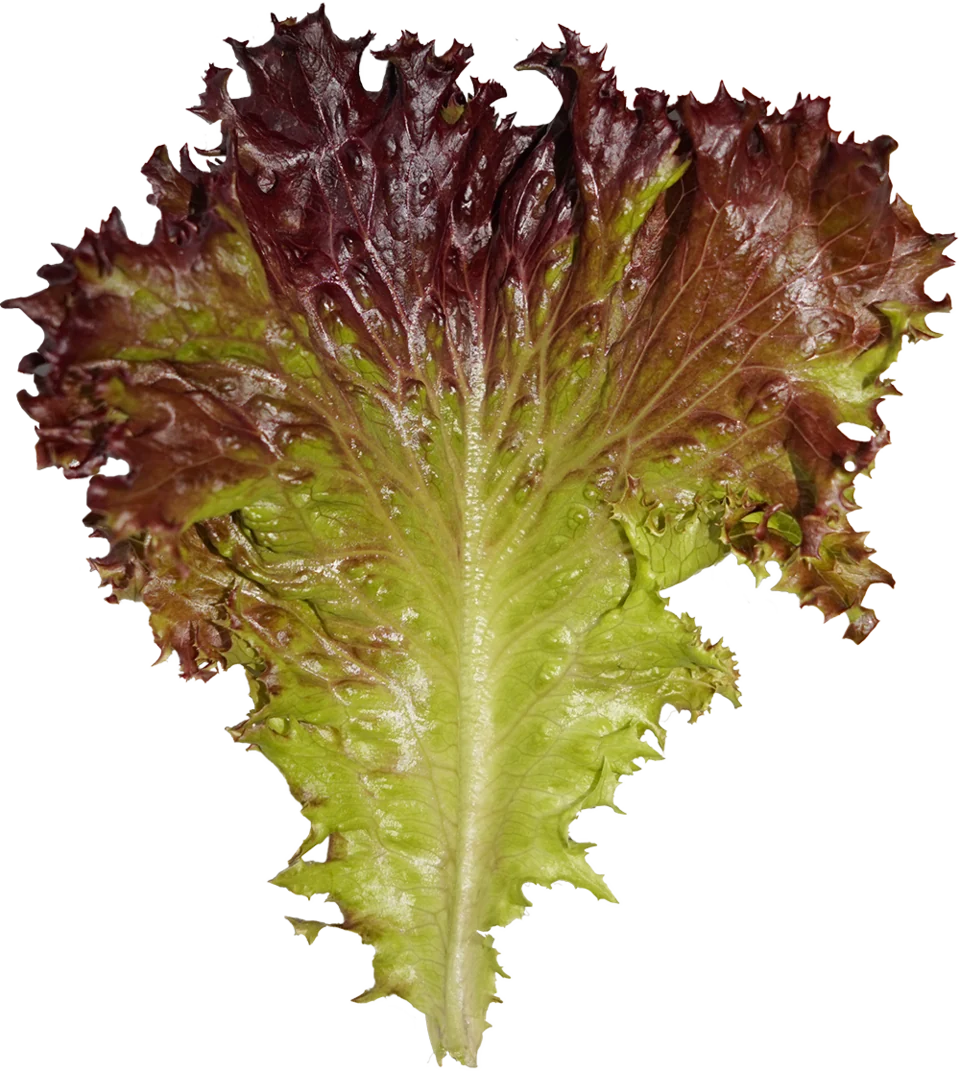
What a 2010 naval report tells us about leafy greens at sea
By VegoFresh Editorial Team · Published
A 2010 public report described spinach and xiao baicai kept over 40 days and youmai cai around 60 days aboard naval ships. We explain the setting and what it does not prove for a commercial sea route.
Evidence and route conditions are named in the article. Results for one crop or setting should be checked against the buyer’s own arrival standard.
Long journeys put leafy greens under pressure. Leaves lose water, handling causes damage, and a break in temperature control can undo careful packing. For a ship at sea, resupply may be difficult. For a produce importer, the question is different but just as practical: will the crop arrive with enough quality and selling time left?
A report attributed to PLA Daily on 15 May 2010 gives a useful starting point. It described fresh vegetable supplies for Chinese naval escort ships operating in the Gulf of Aden and waters off Somalia. The reported results are specific. So are their limits.
What the report said
Before the new process, leafy greens on long deployments generally kept for about 15 days, according to the report. It pointed to several causes: mixed storage of many crops, basic packaging, repeated transfers and refrigeration practices that did not suit the produce.
The public report described a combined preservation process involving naval logistics and medical researchers. It covered harvesting, processing and packing, loading supplies onto the ships, and storage and management on board. The public version does not identify a commercial supplier.
The article reported preservation periods of more than 40 days for spinach and xiao baicai (a bok choy type). It said youmai cai (A-choy, a leaf-lettuce type) was still tender at around 60 days. Read the public report reprint or see our summary.
Those are reported outcomes for named greens in a naval shipboard setting. The article does not publish the batch sizes, full temperature records, quality scoring criteria or a commercial export trial protocol.
The useful lesson: the whole chain matters
The result was described as a process from harvest through on-board management, rather than a single packaging setting. That is a useful way to think about any sensitive crop. Harvest maturity, time to cooling, handling, packaging, storage conditions and transfers all affect what a buyer receives.
For an exporter, this is where crop-specific preservation begins. A method that works for one leafy green, harvest condition or pack format needs checking before it is applied to another. Spinach and bok choy may share a broad category, but a buyer still needs a specification for the actual crop and shipment.
What an importer should ask next
Shipboard storage and a commercial refrigerated-container route have different loading, dwell, border and distribution conditions. The naval report does not establish a 40-day or 60-day arrival guarantee for an export container.
The next step is to test the proposed route:
- Define the crop and arrival standard. Agree on variety, harvest maturity, pack format, acceptable defects and the selling window needed after arrival.
- Map the journey. Include pre-cooling, port dwell, sea transit, customs, unloading and local distribution, with the expected temperature conditions at each point.
- Run a controlled crop trial. Record the storage conditions and assess quality at several points, including after a realistic distribution period.
- Confirm with a shipment. Log conditions on the route, inspect the arrival lot and compare the accepted, saleable quantity with the agreed standard.
The 2010 story shows why a complete preservation process deserves attention. A decision to ship a particular crop by sea comes from the evidence collected for that crop and route. Explore how we assess ocean routes, or tell us the crop, origin and destination to discuss a trial.
Turn the article into a test plan.
Tell us the crop, origin, destination and arrival standard. We can identify which records are relevant and what still needs validation.